Näytetään tekstit, joissa on tunniste Opettajat. Näytä kaikki tekstit

perjantai 14. kesäkuuta 2019

Väitös tänään: Opettajat mukaan oppimisteknologioiden suunnitteluun

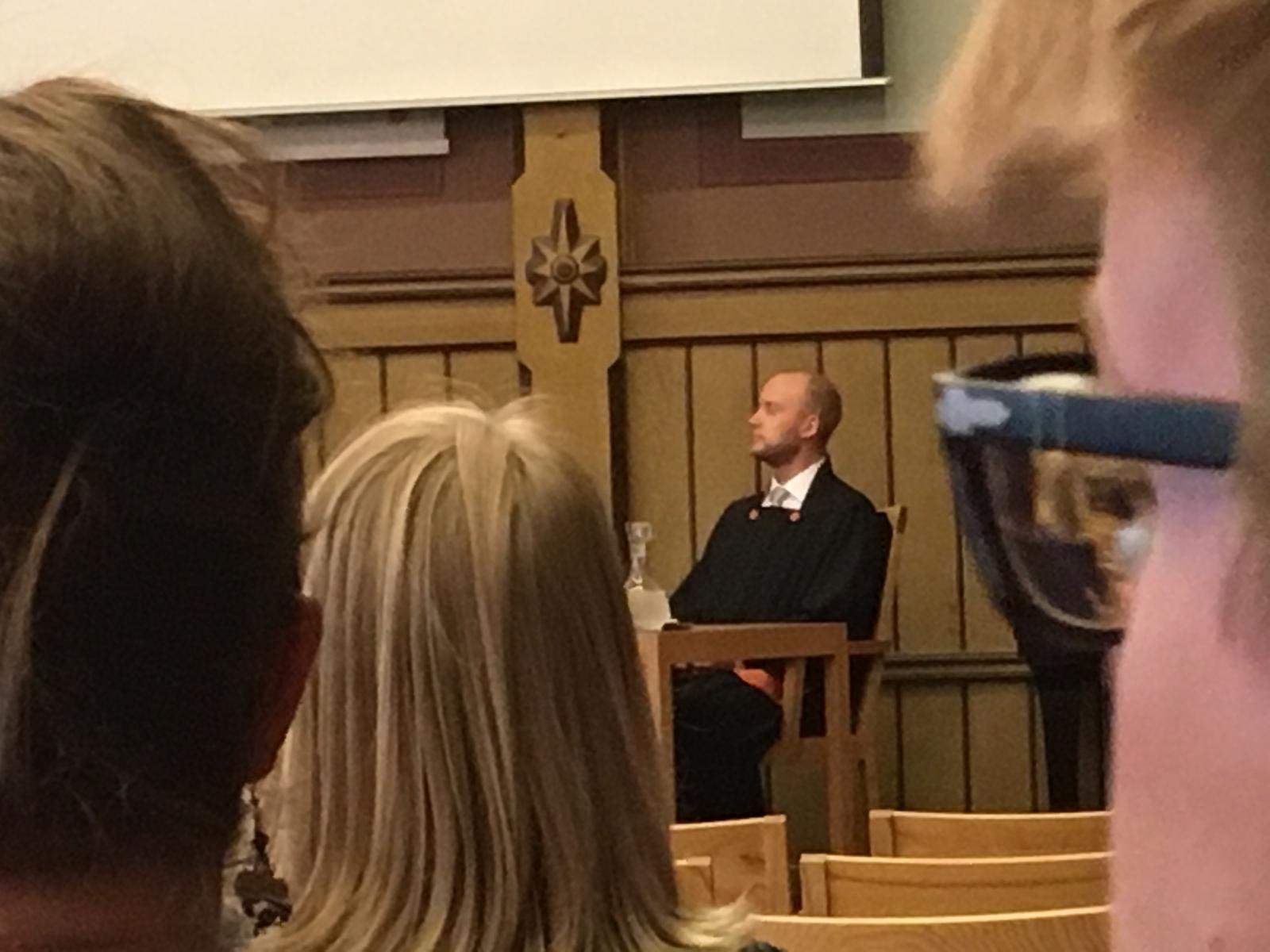
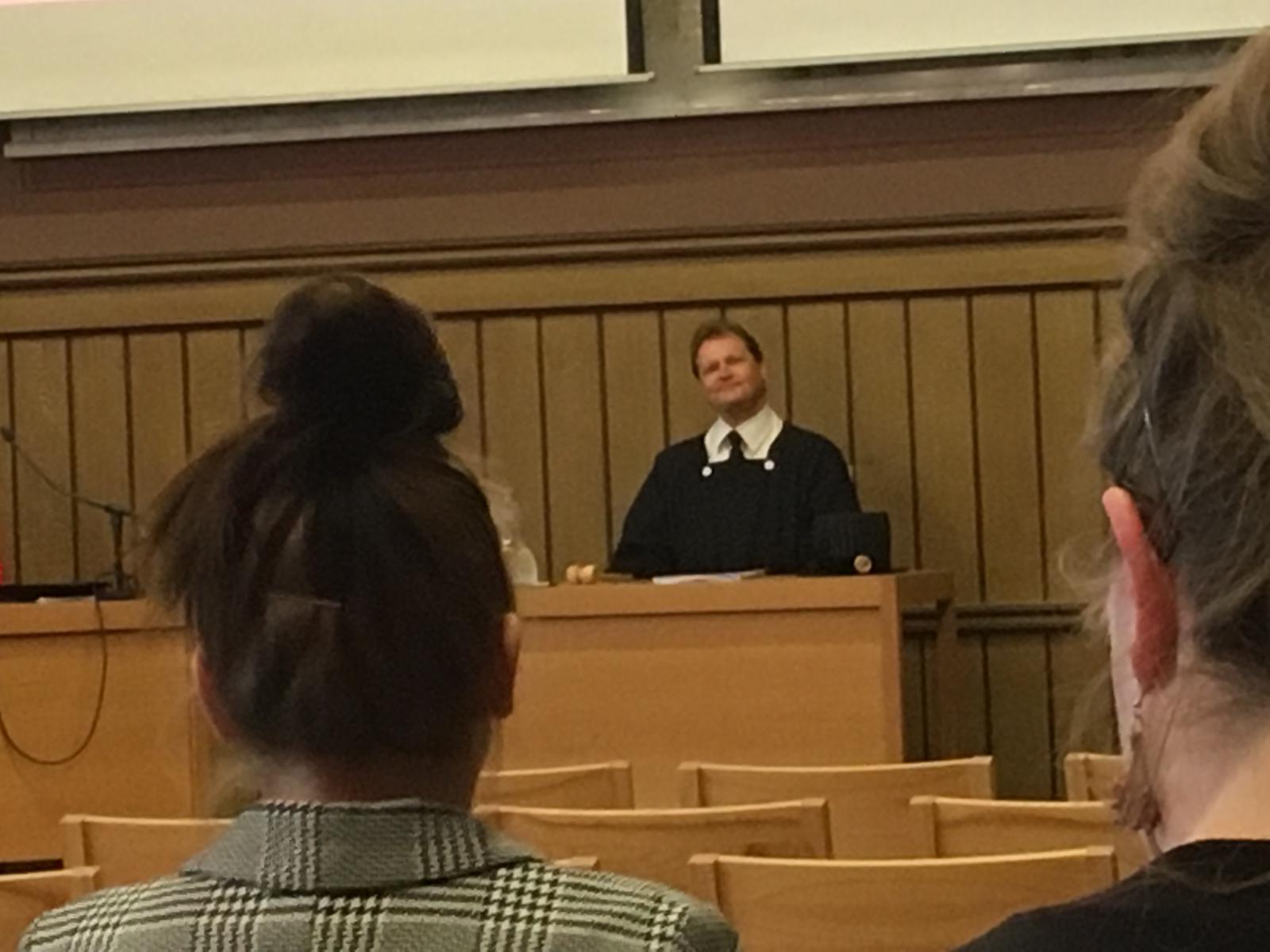
 Tänään on jälleen päivä, kun yksi 'tohtoriopiskelijaveljistäni' puolustaa väitöskirjaansa. Tänään on Ari Tuhkalan vuoro puhua opettajien osallistamisesta oppimisteknologioiden suunnitteluun. Hänen tutkimuksensa osoitti, että ottamalla mukaan opettajat oppimisteknologioiden 'muutosprosesseihin, muutosvastarintaa voidaan mahdollisesti vähentää.

Samoin kuin monet monet omatkin tutkimukseni ovat osoittaneet - koululaitos on jatkuvassa muutoksessa, joka erityisesti teknologian kehittyessä, on välillä rajuakin. Eräs iso ongelma todellakin on, että sovelluskehittäjät kohtelevat opettajia 'asiakkaina' eikä heitä oteta mukaan teknologiakehitykseen. Tämä johtaa siihen, että teknologiat jäävät pölyttymään nurkkaan. Arin tutkimus on siis todellakin nykyaikaisen palvelumuotoiluajatuksen aallon harjalla.

Vastaväittäjänä toimii Arnold Pears (KTH Royal Institute of Technology, Ruotsi) ja kustoksena toimii oma esimieheni professori Tommi Kärkkäinen. Lehdistötiedoite löytyy täältä. Koko teoksen voi lukea täältä.

Väitöstilaisuuksissa suurta osaa näyttelee vastaväittelijän ja tohtorikoulutettavan välinen kemia. Arin tyyli esiintyä on huumorilla maustettu syväkeskustelu. Opponentin tyyli osoittautui pikkutarkan haastavaksi. Tätä keskustelua oli varsin viihdyttävä seurata varsinkin kun Arin väitös on hyvin lähellä omaani ja siksi tunnen paljon alueen kirjallisuutta omien tutkimusten pohjalta. Väitöstilaisuuksissa yleisön kannalta kiusallisinta on se, että vastaväittelijä kysyy jotakin, mistä kokelas ei ole varma tai osaa vastata. Yleisö luonnollisesti haluaa väittelijän pärjäävän hyvin. Tänään tällaista pelkoa ei ollut. Päin vastoin, välillä sanoisin että Tuhkala kyllä vei Pearsia eikä toisinpäin:)

Onnea tohtorille! Hienosti vedetty!

Väitös tänään -sarjassa myös:
 
/Today my doctoral brother Ari Tuhkala is defending his Phd thesis "Participatory Design: an Approach for Involving Teachers as Design Partners". You can read the press here. And the thesis here. Ari's work tackles the important point that teachers cannot be used only as 'customers' of technology but have to be taken into the design process as participants, if we want them to accept and adapt the technology seamlessly.

keskiviikko 18. huhtikuuta 2018

Learntech Accelerator goes ITK 2018


/How to make educated purchases in the Learnech jungle of procurement? This is the question that LEA - Learntech Accelerator project is tackling. We went to ITK Days, which is the largest Learntech conference in Finland and of course most of the virtual learning environment providers were present. Not to mention the schools! About 3000 teachers, learntech solution providers and educational experts visit the ITK every year. This conference takes place in Hämeenlinna, Finland. This is a great event to meet all the players of this field as everyone is here. I have attended the ITK for years now - some stories also in the blog:

ITK 2017 (with IMAILE)
ITK 2015 (with Open Discovery Space)
ITK 2013 (with Open Science Resources)
 
Conferences like this one are great for analyzing what is hot or not in Learntech? Based on this year's experiences, the hottest topics in Learntech currently are:
1. Holo glasses - VR, AR, MR - this has been a breakthrough - we could see so many people hovering around the corridors - however, many teachers are asking: What is the actual added value to us? Is this another 'smart board' which will come now and be forgotten in 5 years... How does it make the students learn better? What is the pedagogical approach. It was motivating to see pilots from Northern Central Finland however, where they had clearly been doing some excellent demonstations...
2. AI - although no one know where learning analytics end and AI begins. Specifically not the Learntech sellers... So this is an interesting topic to study: How complicated must the algorithm be that it can be called AI...
3. Learning Analytics - part of most state-of-the-art learning environments right now. Although mostly used for measuring user behavior, not learning behavior and mostly used to recommend more content, not actually social help... This is a relief as we can honestly say that there is still an innovation GAP which was identified in the IMAILE project originally 4 years ago and there still plenty of work to be done in LEA.  
4. Pokemon Go-style learning materials where students walk around and complete tasks in the real physical environments - The question becomes however, who has time to make these materials... Surely they are rather time consuming... And if the students make the materials, the school does not get the rights to them as security laws come and say 'no'. This means a lot of the time excellent student produced materials cannot be re-used...
5. GDPR - The Security regulation and law coming up from EU where personal or personal like data belongs to the person and companies are going to have to pay big time if they allow data breech to confidental data... Some American companies are drawing from the European market due to this... and it's coming up only a month from now!

LEA project had a poster presentation in ITK and we also started our state-of-the-art analysis by interviewing the PLE providers that were present: Mobie eSmart, Blackboard, It's Learning, Peda.net, Qridi, Microsoft, Dicentum, Claned... Intensive work but great gains. 

Are you a personalised learning environment provider? Are you a Learning technology buyer/procurer? Please contact us for more information: 

coordinator@learntechaccelerator.eu 
https://www.learntechaccelerator.eu/ 
 

  Oppimisteknologioiden hankintaprosessi on usein hankkijaorganisaatiolle hankala tehtävä, sillä teknologian ostopäätöksen tekijä on lähes aina eri henkilö kuin sen tuleva loppukäyttäjä. Usein kunnat tai koulut tulevat hankkineeksi vaikeakäyttöisiä ohjelmistoja tai monimutkaisia laitteita, jotka jäävät pölyyntymään luokan nurkkaan. 
Moni asia voi hankkimisproessissa siis mennä vikaan. Learntech Accelerator -projekti tukee oppimsiteknologioiden hankintaprosesseja ja niinpä olimme mukana tänä vuonna ITK-päivillä Hämeenlinnan Aulangolla. 

 ITK-päivien konkarikävijänä tiedän, että näistä kekkereistä parhaiten saa irti, kun tekee etukäteen suunnitelman, miten hyödyntää paikallaolevia opettajia ja tietysti näytteilleasettajayrityksiä. 
Tänä vuonna meillä oli LEA:n tiimin kanssa tiukka tavoite haastatella kaikki paikalla olleet oppimisympäristöjen tarjoajat.

ITK:ssa oli noin kymmenen palveluntarjoajaa, jotka menivät meidän tutkimuksen "scouppiin"... Oli markkinajohtajaa It's Learningiä, joka on Sanoma Pron matriaalien alusta... Oli Qridiä, joka on itsearviointityökalu analytiikalla...
  Oli Microsoft ja Blackboard - amerikkalaiset jättitoimittajat... Oli australian markkinaa valloittava Claned ja kiinan markkinoille tähtäävä Mobie... Oli Disendum, joka on Optima-alustansa jälkeen nyt julkaisemassa uuden, omien sanojensa mukaan "toisen sukupolven oppimisympäristöä", mikä tarkoittaa, että oppilas on keskiössä, ei opettaja... jne.

Tällainen aineistonkeruutapa on kohtuullisen raskas toteuttaa back-to-back haastatteluina parin päivän sisään, mutta kuitenkin saavutettu edistyminen tässä työtehtävässä on niin paljon nopeampaa kuin etähaastattelujen tekeminen skypellä. Uskallan sanoa, että kahdessa päivässä tehtiin kahden viikon työt. Hyvä me!
 ITK päivillä on vuosittain kolmisen tuhatta kävijää.
 Meidän tutkimusryhmälläkin oli edustusta paikalla myös STIMEY-projektin esityksen muodossa.
 Tiina esitteli oppilaitosten tarveanalyysiä...
 Messujen käytäväkuvaan olivat ilmestyneet ns. hololasit, joiden avulla saattoi päästä esim. Roomaan... AR/VR ovat tänä vuonna kuuminta hottia teknologiatrendeissä ja Suomi on edelläkävijänä näissä asioissa. Muita kuumia trendejä sanoisin olevan oppimisen analytiikka, teköäly, 3D-printtaus (tosin tämä on mielestäni jo vähän passee... Tai odottelee vielä tilannetta, jossa olisi kuluttajahintaisia laitteita saatavilla... ) Mutta kaikenkaikkiaan kiinnostavinta lienee se, että oli teknologia mikä hyvänsä, tulisi löytää todellinen lisäarvo pedagogiikassa, jotta opettajat suostuisivat ottamaan näitä pidempiaikaiseen käyttöön luokkahuoneisiinsa... Tämä on aina kynnys uusien teknologioiden kanssa.

Oppimisteknologioiden hankkijaorganisaatiot ja palvelujen tarjoajaorganisaatiot saavat mielellään liittyä verkostoomme seuraamaan innovatiivisuuden kehittymistä tällä alalla osoitteessa:

https://www.learntechaccelerator.eu/


tiistai 27. helmikuuta 2018

Teacher Education for Greenland

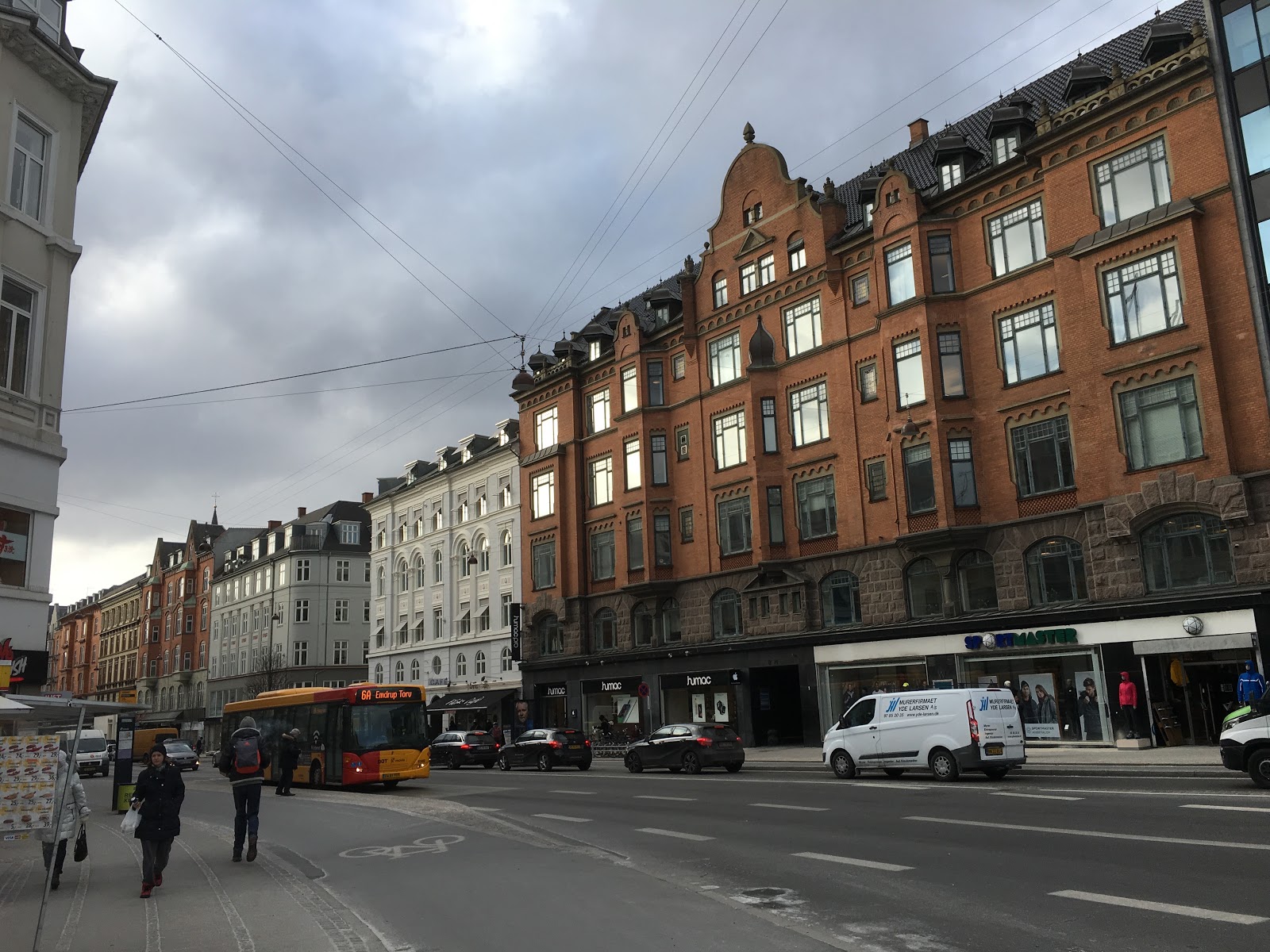
This is one of those days when I feel that my work has real value and reach. Today I am in Copenhagen for an inspiring new project. The landscape is this: / Tänään olen kyyyyhylymässä (Kyllä - paljon kylmemmässä kuin Jyväskylän -23C) Köpiksessä varsin mielenkiintoisen uuden projektin myötä...
There is 56 000 inhabitants in Greenland. It is the country almost the tallness of Europe. There are 930 primary teachers out of which 147 teachers do not have the qualification to be a teacher. Interest in becoming a teacher is very low: Only 22 started this year, it used to be that the enrollment was 50. There just isn't enough qualified teachers and the teachers are scattered in remote villages. So the University of Greenland is going to give the uneducated teachers a chance to upskill themselves.
/Gröönlannissa on 56 000 asukasta. Se on kuitenkin melkein Euroopan korkuinen maa... 930:sta alakoulun opettajasta 147 on kouluttamattomia. Opettajuus ei kutsu gröönlantilaisia nuoria, vaikka heidän palkkansa on korkea ja opettajien arvostus yhteiskunnassa on hyvä. Tarpeeksi koulutettuja opettajia ei vaan riitä kattamaan koko maan tarvetta... Niinpä Gröönlannin yliopisto on päättänyt täydennyskouluttaa jo pestissä olevat opettajat.
What can I do to help? Well - as they live in these remote locations around the country - distance learning is the solution to this problem and planning digitalised learning solutions - well, that's been pretty much what I have been doing for the last 10+ years as my job. It will be a challenge of course as the resources will have to be offline also. Wi-fi is still a dream on some areas and satellite connections are used to provide internet. 

/Miten allekirjoittanut liittyy tähän sitten? No koskapa opettajat on ripoteltu haja-asutukseen ympäri suurta maata, on etäopiskelu ja digitaaliset materiaalit & mallit tähän ratkaisuna. Sitäpä minä olen koko yli kymmenvuotisen urani tehnyt ja siksi minut on kutsuttu mukaan asiantuntijana.

It is also that about five years ago, I was working in a project called Open Discovery Space and University of Greenland was a partner in that. However, that was also the year when I was in China with my family for 4 months and before leaving for China - I said to my boss at the time, Jan, that whatever you do: Do not go to Greenland without me... And of course they did... I never really recovered from not getting to go there... This time, I am not going to miss out as this has been my dream of a lifetime.
 / Olen aina halunnut Gröönlantiin... Noin viisi vuotta sitten silloinen pomoni Jan ja kolleegani Henri kävivät siellä visiitillä enkä jotenkin koskaan päässyt yli siitä, etten ollut mukana. Joo, olin Kiinassa... Mutta tällä kertaa en aio missata tätä tilaisuutta. 
So teachers of Greenland - wait until you discover what this working group has got in store for you... I have to also say that meeting in Copenhagen has been one of the most productive that I have attended. I think 5 experts in a room is just the right amount. It is a privilege to work with a room full of expertise - we had representation from Finland, Sweden, Iceland, Germany and of course Greenland. We drew out the plan for this project called Ajoqi - the pilot round of teachers will start in the Autumn and of course we will do it by participatory design, first through requirements analysis and focusing on the teachers need and the actual gap in their knowledge in comparison to the qualified teachers.

/Niinpä gröönlantilaiset opettajat - täältä tullaan. Oli muuten huikean tehokas kokous Kööpenhaminassa. Suomalais-ruotsalais-islantilais-saksalais-gröönlantilainen kombo oli niin kompetenssia täynnä, että laadimme parin vuoden suunnitelman siltä paikalta. Tarkoituksena on tietysti arvon yhteisluonti tai siis osallistuva suunnittelu niin, että opettajilta kysytään, mihin he tarvitsevat apua ja mitä kokevat jo osaavansa. Projektin nimi on Ajogi ja aloitellaan pilottiryhmällä jo tulevana syksynä.

The work will not stop at 147 of course... On estimation, 300 teachers will retire in Greenland on the next few years. That's almost 30% of the working force... Societal challenge is to find teachers to replace them...

 / Työn sarkaa Gröönlannissa riittää, sillä meidän arvion mukaan 300 opettajaa tulee eläköitymään seuraavan parin vuoden aikana. Suuri haaste on löytää seuraajia ja kouluttaa heistä päteviä opettajia.

Ironically, I live in a city, where there is 150-200 applications for each primary teaching job... Teachers of Jyväskylä - how about learning Greenlandic and starting a new adventure...? 
Päivän vessa-look

/ Ironista on se, että minä asun kaupungissa, jossa jokaiseen luokanopettajan pestiin on 150-200 hakemusta... Joten mitäpä jos suomalaiset luokanopet aloittaisittekin suuren seikkailun ja opiskelisitte gröönlannin kielen... Töitä olisi nimittäin tarjolla!


tiistai 28. huhtikuuta 2015

Open Discovery Space Comes to ITK Päivät 2015

 A couple of weeks back we held an Open Discovery Space practise and reflection seminar in ICT Days in Hämeenlinna, Finland./Pari viikkoa sitten olimme ITK-päivillä esittelemässä Open Discovery Space-projektia jälleen.
 Our goal was to reflect how ICT eMaturity of Schools had developed during the last 3 years. / Tavoitteena oli kerätä fiiliksiä siitä, miten koulujen eOsaamisen tasoa oli kehitetty viimeisen kolmen vuoden aikana.
Over the course of two days, our approach brought us over 200 teachers from all over Finland to talk and reflect with. / Kahden päivän avointen ovien aikana juttelimme satojen opettajien kanssa.
Overall the conference attracted over 1500 participants. /Kaiken kaikkiaan konferenssissa oli yli 1500 kävijää.
 We gathered the opinnions of teachers by writing down their thoughts. / Kirjoittelimme ylös koulujen todellisuutta eOsaamisen alalta.
67 Opettajaa täytti myös eOsaamisen kyselyn. /67 Teachers filled in the eMaturity questionnaire as well.
The feelings varied within the Finnish Schools immensily. Some of the schools are still not equipped to provide techology enhanced teaching and learning. Some have a good amount of computers and even the competences of teachers have been developing in the last three years./ Fiilikset vaihtelivat. Osalla kouluista on edelleen laiteongelmia. Osalla taas tilanne on hyvä ja edistynyt viime aikoina varsinkin.
We assisted the teachers on how to use open educational resources in their classes./Ohjasimme opettajia hyödyntämään avoimia oppimateriaaleja opetuksensa tukena.
 Many teachers are enthusiastic about developing their pedagogical & ICT skills further. / Opettajat ITK päivillä ovat motivoituneita ammatilliseen opetusteknologian käyttökehitykseen.
Some comments from the teachers:
"Many teachers find it hard to know where to upload videos for example, if you have to use more than one learning management system or even you tube with it."
"The use of technology has increased in the last 3 years, but it's still hard for teachers to decide which system to learn. We do not have time to learn them all."
"I don't know if there is any extra value in using technology. My students would like to read real books."
"We have one computer per eight students"
 Joitakin kommentteja opettajilta:

"Monelle opettajalle on vaikeaa ymmärtää, mihin videoita tulisi ladata, jos täytyy hyppiä monen oppimisympäristön välillä."
"Koulujen laitteistotaso vaihtelee jopa saman kaupungin koulujen sisällä radikaalisti"
"Teknologian käyttö on viimeisen 3 vuoden aikana lisääntynyt, mutta opettajana on vaikea päättää, minkä teknologian käytön opetteluun kannattaisi käyttää aikaa, kun vaihtoehtoja on niin paljon."
"En tiedä, tuoko teknologia mitään lisäarvoa, opiskelijat tykkäisivät lukea ihan normaaleja kirjoja"
 "Meillä on yksi tietokone kahdeksaa opiskelijaa kohtaan"
It was awesome to hear all these stories of how the schools are changing. /Oli mahtavaa päästä kuulemaan koulujen muutostarinoita.
 To be able to design services for teachers, it is important to hear their voices. From the classroom level./Jotta osataan suunnitella palveluita opettajille, on tärkeää kuulla heidän ääntään. Sieltä ruohonjuuritasolta.
In the workshop, the discussion between teachers was giving them a lot of peer support on how to develop their School's eMaturity further./ Foorumiesityksessäni jututin opettajia liittyen heidän kokemuksiinsa eOsaamisen kehittämisestä.
 Overall, very successful two days of Practise & Reflection. Thank you so much for all the participants! /Kaiken kaikkiaan onnistunut kaksipäiväinen. Kiitokset kaikille mukana olleille!

maanantai 7. heinäkuuta 2014

Teacher of 2014 - How to get one's message through?

Both the review meeting which I attended two weeks back as well as EDULEARN 2014 conference in Barcelona today have provoked the same discussion in my mind - about teaching and really also about basic communication from one person to another. Why is it that we reject information coming from teachers? Why as a learner, I prefer some teachers (like Suprateek Sarker), and really dislike others... That was exactly the topic of this morning's key note speech in Barcelona by Prof. Eric Mazur from Harvard University (USA) and Kiran Bir Sethi. The Riverside School in Ahmedabad (India).
 ICT within our society has permanently changed the way knowledge is available and shared in between people in the world. Most people can access knowledge within their pockets at any time through smartphones. Teachers have traditionally been the distributors of knowledge, but as the world has changed into a situation where "anytime, you can ask Google" is the de facto, also teachers must change. It's clear that in the future world, it's much more important for students to have competences of knowledge inquery, evaluation and adaptation, instead memorizing. This means that the role of the teachers has to also move from a person that delivers knowledge to others towards more to a guide and facilitator of students skills in fetching, using and sharing knowledge themselves. In Finland, this change has already happened in the younger generations of teacher training, however the situation is not as good in some of the other countries around Europe.
 My perspective is this: It's not a new invention that a student learns better if the teacher is just facilitating the learning, allowing the student to form his/her own cognitive mapping and emotional relationship to the data - this was already used by Sokrates the ancient Greek philosopher, who came up with the concept of 'midwifing knowledge' meaning that teacher will just set the environment for learning, but the learner creates the knowledge themselves. Personally I feel that this approach is most effective because learners who are 'told what to do' will have a negative attitude against authority and that's stopping them from learning. Personally I learn much better if I'm given the freedom to make my own choices, supported of course by the teacher. I would want the role of the teachers in 2014 to be guiding, smart and relating to the students' needs. And don't tell me that crap about the fact that we cannot do it in the school system we are in nowadays because of money and time trouble - That's very short sighted if the learner goes through the pipe of education without actually learning anything at all. Are the students with Masters' degrees or PhDs who know nothing useful in the working life? Absolutely not. So why not cut the content and steer the learning into the more meaningful processes of 2014 - Knowledge inquiry, evaluation, adaptation and re-use? In Finland we often claim we are doing this. How is it, that in so many occasions I still meet examples of the contrary?
 Old habits die hard and I personally am probably just as bad a teacher as any. However, at least we have recognized the need for a change. I want my students to learn. And if that means that I should be more relating to their level, asking them to discuss instead of telling them what to do, and admitting that I am not know-it-all, but a humble servant of knowledge, just like them... Then maybe, that would be the starting point of the teacher-learner trust relationship which would eventually lead to the possibility of me transferring knowledge to them. Not by saying how they should do it, but by saying that okay, this worked for me - you can try it, or you can find your own way.
 When dealing with a three year old autistic child, I have also been reminded of one important fact: Motivating through rewards and positive feedback, you can get results. Making your learner feel guilty of anything they haven't done in the past is never the way to do it. There's only a few emotions in the world which I dislike less than guilt. We all feel it, but when someone deliberately is trying to make us feel guilty. You need to be able to level yourself down to the level of the learner and even lower - to show peer support rather than authority. These skills can get your message through even if you are not a teacher, but dealing with people in daily activities. So next time you feel the need to 'nag', how about taking a breath and thinking for a second - how will I get my message through? Listen, guide, question, facilitate, level-down.
I think that the most important competences of 2014 for any learner are the so called 'Soft skills' (which here in Edulearn are rightly promoted as the 'new hip thing') and teachers' job is to facilitate those.

Pahoittelut Suomalaisille lukijoille - tänään jälleen työasioita, joten kirjoittelin vaan englanniksi. Kysymys on, että millainen on 2014 luvun opettaja - onko opettajan tarkoitus antaa tietoa opiskelijoille vaiko auttaa oppilasta itseään muovaamaan oman tietonsa ja yhteytensä siihen? Opettajien rooli on murroksessa, joka Suomessa on ollut meneillään jo pidempään, mutta esim. Euroopassa on niitä maita, joissa tällaista ajattelua vasta aloitellaan. Mielestäni näitä taitoja voisi soveltaa ihan normaaliin kanssakäymiseenkin vaikka kotona: Voi miettiä meneekö nalkutus perille vai voisikohan olla, että jos 'opettava' osapuoli ottaisi enemmän 'ystävällisen ja vertaistukimaisen' asenteen aiheeseen... Monesti kuulen, että kun ei ole aikaa niin pitää sanoa suoraan. No, jos suoraan sanomalla ei mene oppi perille 10lläkään kerralla niin kannattaisi miettiä taktiikkaa. Jos kerran käyttäisi asian esittämiseen enemmän sokratesmaista 'maieutiikka' lähestymistapaa - ehkä vastaanottaja hyväksyisi asian heti ja siinä se aika vasta säästyisi. Tulevaisuudessa oppilaittemme täytyy oppia nimenomaan niitä 'pehmeitä taitoja', joita täällä Barcelonassa kovasti promotoidaan, ja uskon, että tulevaisuuden opettajan tehtävä on ohjata niiden syntymistä.

Like in Facebook

Related Posts Plugin for WordPress, Blogger...